
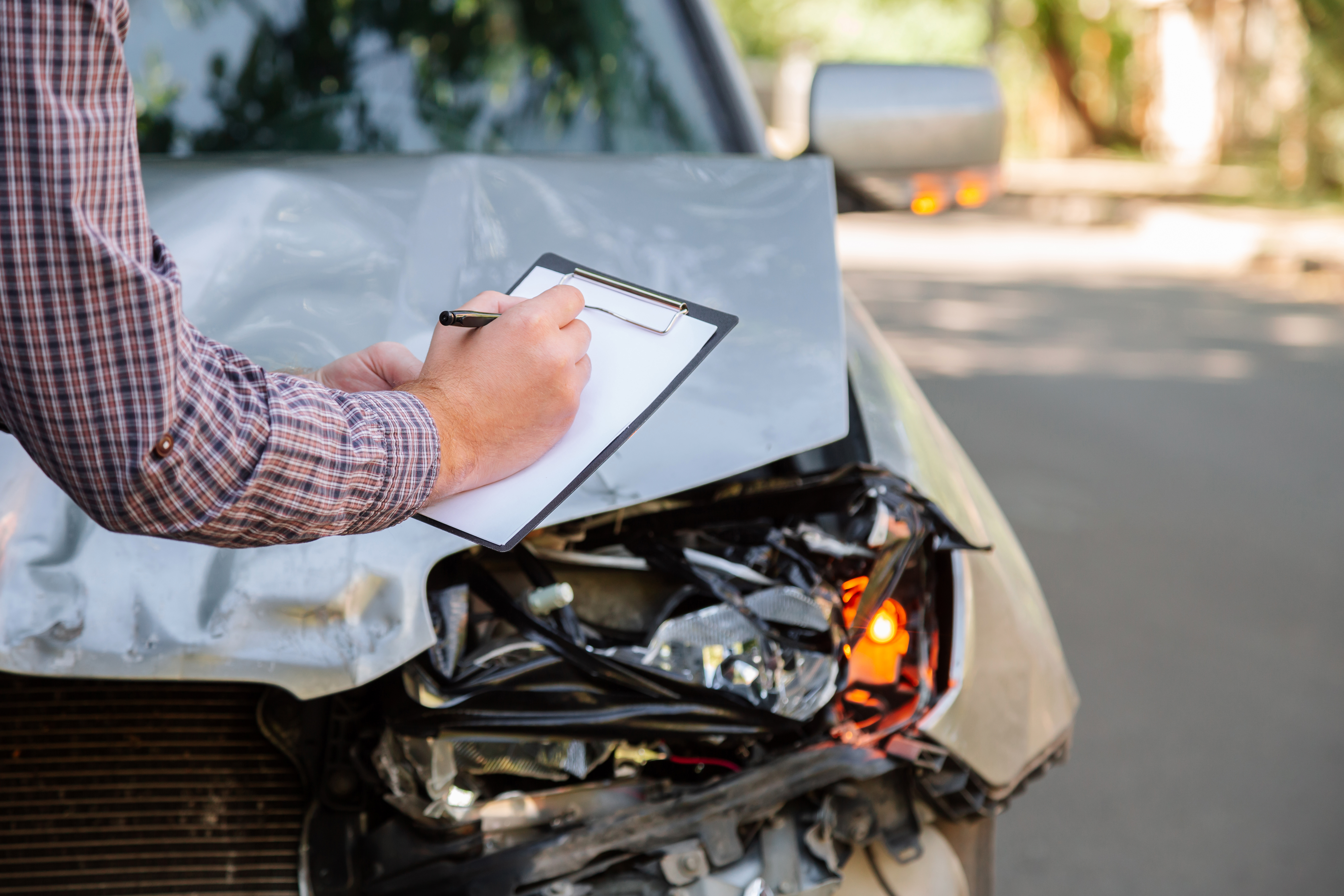
Understanding Employer Responsibility in Work-Related Car Accidents
When employees drive as part of their job—whether they’re behind the wheel of a company vehicle or using their own car—employers often carry some legal and financial responsibility if a crash occurs. Through the legal principle known as respondeat superior, employers can be held accountable for their workers’ actions as long as the employee was performing job-related duties when the accident happened. These duties might include traveling to client appointments, making deliveries, or completing company-related errands. When an employee is off the clock, driving for personal reasons, commuting, or operating a vehicle while impaired, liability typically shifts away from the employer and onto the employee’s personal insurance.
Vehicle accidents tied to work responsibilities are one of the most common and serious sources of workplace injuries nationwide. Each year, thousands of workers are hurt in on-the-job car crashes, leading to substantial downtime and recovery periods. The causes often mirror everyday driving hazards—using a phone while driving, speeding, driving while overtired, or neglecting routine vehicle maintenance. However, work-related driving introduces additional challenges. Employees may feel pressure to meet strict deadlines, navigate unfamiliar locations, or juggle job tasks while on the road. All these added stressors increase risk, making it vital for employers to maintain well-kept vehicles, provide thorough safety training, and set reasonable expectations that discourage rushed or distracted driving.
Employees injured in a crash during the course of their job are typically entitled to workers’ compensation benefits. This coverage operates on a no-fault basis, meaning it applies even if the worker caused the accident. Workers’ compensation can pay for medical care, rehabilitation services, and a portion of lost wages. While it does not compensate for pain and suffering, injured employees may still be able to file third-party claims against other negligent drivers, automotive manufacturers, or anyone else who contributed to the crash. Employees using their personal vehicles for business purposes are generally still protected by workers’ compensation, but they will need to rely on their own auto insurance for repairs to their vehicle.
When a company-owned vehicle is involved in the accident, employer liability becomes more complex. Businesses often carry insurance that covers accidents involving their fleet, and this coverage may pay for injuries and property damage suffered by third parties. Still, there are exceptions. If the employee was acting outside the scope of their job responsibilities, using the vehicle while intoxicated, or violating established company rules, the employer may deny responsibility, and the employee could face disciplinary action or personal financial liability. In certain scenarios, both the employer and employee may share responsibility—for example, when an employer fails to provide proper driver training, does not supervise employees appropriately, or neglects essential vehicle maintenance.
Determining who is at fault in a work-related vehicle accident requires examining several factors: what the employee was doing at the time of the crash, whether they were performing tasks that benefited the employer, the policies governing vehicle use, and the insurance coverage available. Understanding how these elements interact is crucial for both employees and employers. These details influence who pays for property damage, how medical care is funded, whether wage replacement is available, and what legal protections apply following the incident.
Ultimately, clarity around employer liability helps everyone involved make informed decisions in the aftermath of a collision. Workers gain insight into their rights, including access to workers’ compensation and potential third-party claims. Employers benefit from understanding the importance of strong safety policies, proper driver training, and clear guidelines for vehicle use. By prioritizing safety and establishing consistent procedures, organizations can reduce the risk of accidents and protect both their teams and their operations.